Information without judgment
Know more. Choose safety. Find a path forward.
Clear information about methamphetamine and stimulant risks, warning signs, dependence, recovery options and how to find qualified licensed professional care when it matters.
Evidence-minded
No judgment
Safety first
Recovery matters
Global languages
METHCASH / VISUAL REFERENCE
SAFETY FIRST
METHCASH / GALLERY
PHOTO 01
Education
Understand effects and risks.
Safety
Recognize serious warning signs.
Recovery
Explore professional support pathways.
Global access
Multi-language information.
Navigation
Find legitimate licensed care.
Visual education
Reference imagery.
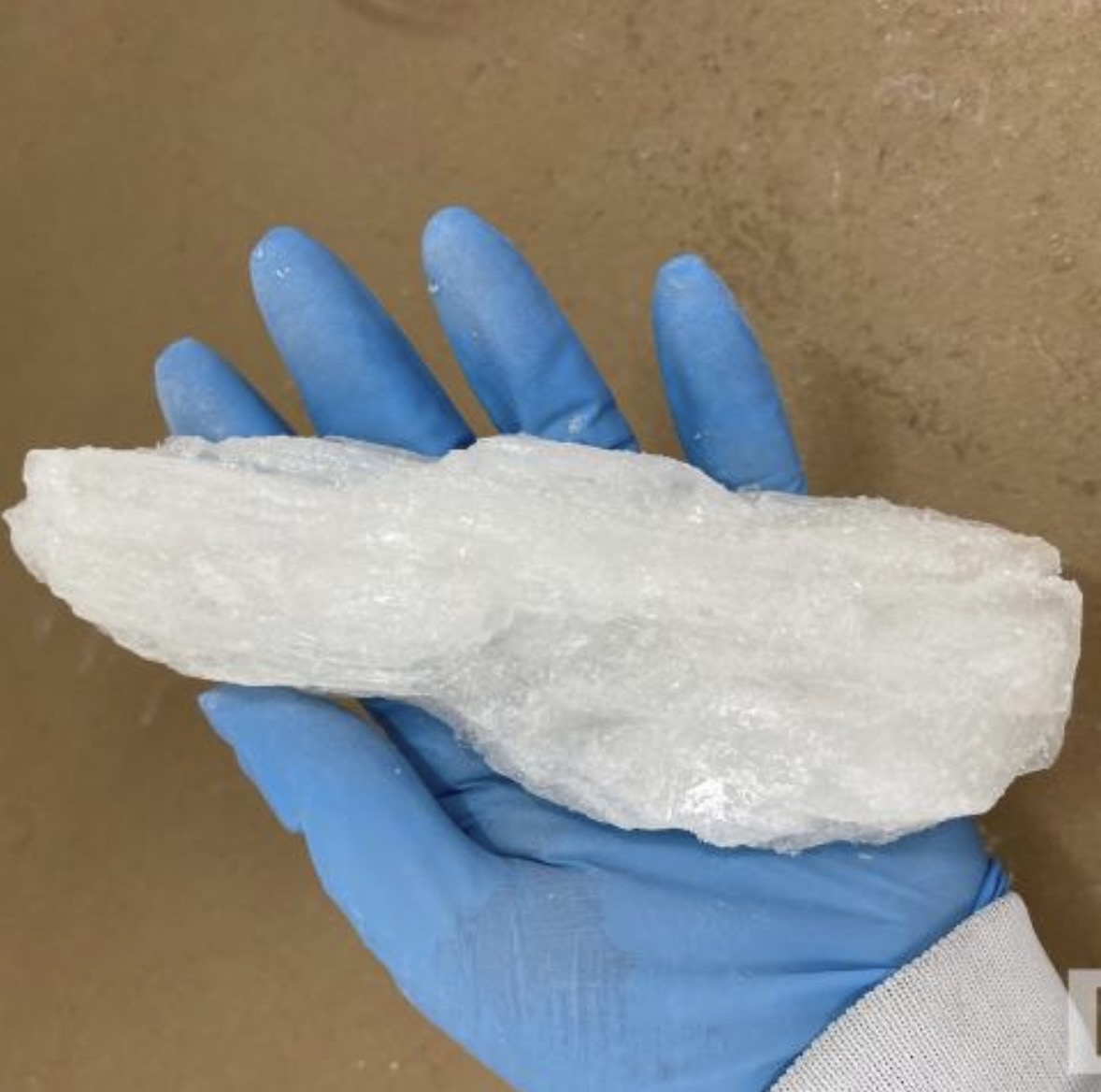
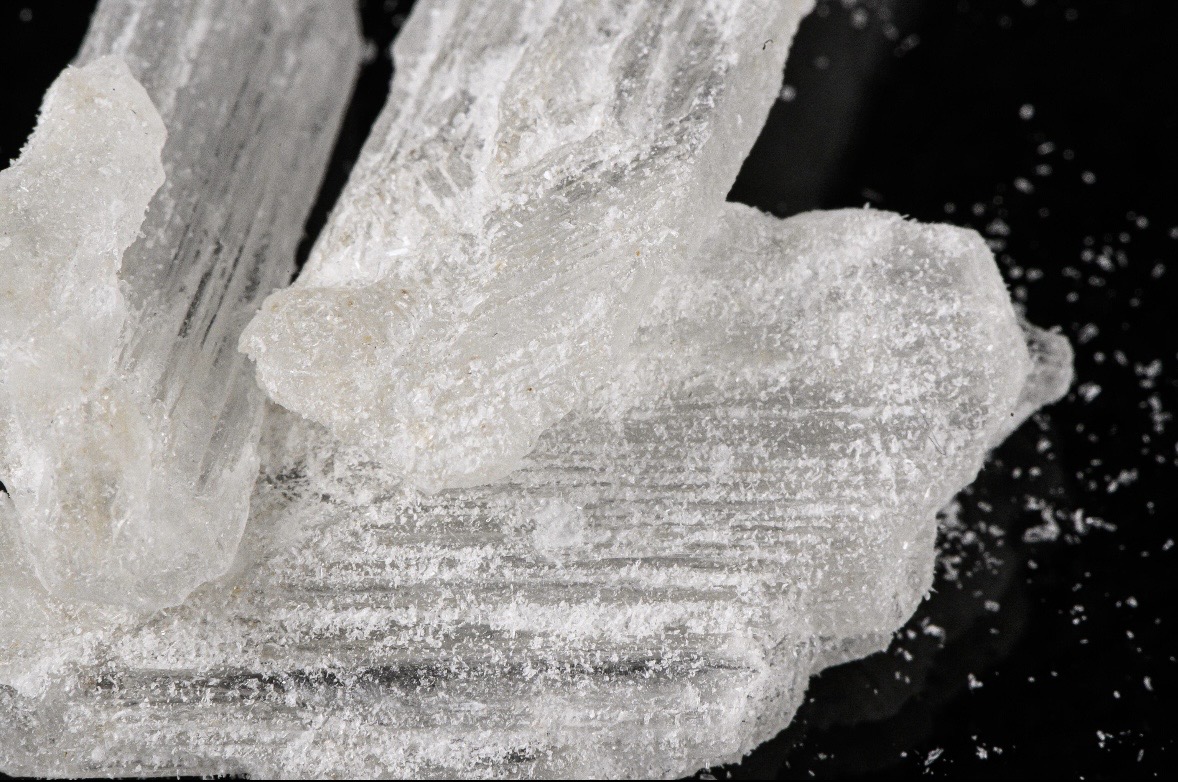
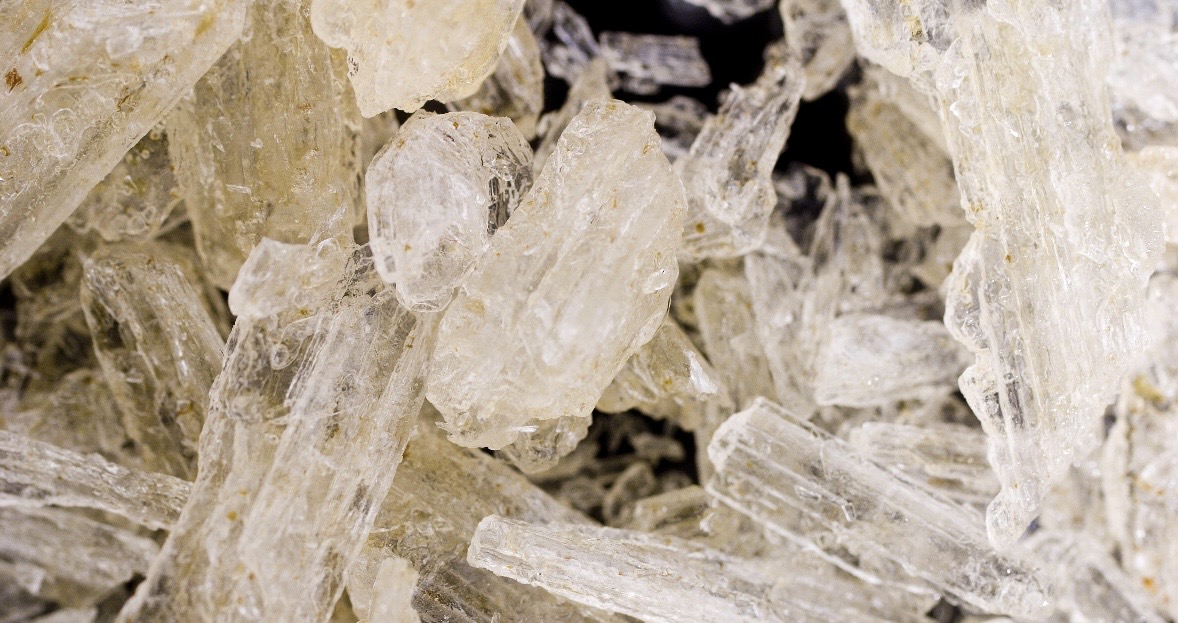
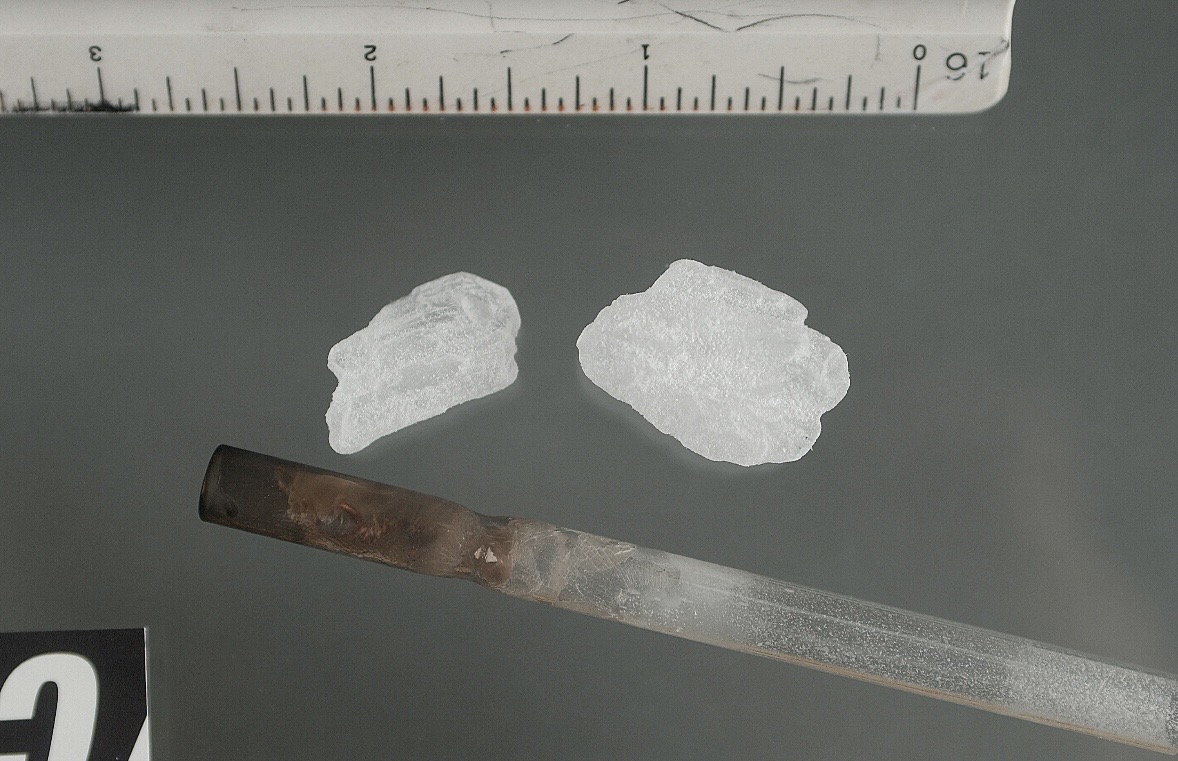
Educational images can provide visual context, but appearance alone cannot reliably establish composition, concentration or safety.

Start with knowledge
Understand before acting.
Methamphetamine is a powerful stimulant. Understanding effects, health risks, dependence and recovery can help people make safer and more informed decisions.
What stimulants do
Stimulants can affect alertness, heart rate, blood pressure, appetite, sleep and judgment.
EDUCATION / 01Risk awareness
Unknown composition, individual health conditions and combinations with other substances can increase risk.
SAFETY / 02Dependence & recovery
Repeated use can lead to tolerance, dependence and compulsive patterns. Professional recovery support is available.
RECOVERY / 03Find the next step
Learn about assessment, outpatient care, mental-health treatment and structured recovery programs.
NAVIGATION / 04
Myth vs fact
Question what you hear.
Reliable information matters more than rumors, social pressure or assumptions.
Appearance proves very little.
Visual appearance alone cannot establish composition, concentration or safety.
Serious reactions can happen.
Cardiovascular, neurological and behavioral emergencies require prompt medical attention.
Dependence can develop.
Repeated stimulant use can produce tolerance, compulsive behavior and significant dependence.
Recovery is possible.
Professional treatment, behavioral support and sustained recovery planning can help.
Safety information
Know the warning signs.
Serious stimulant reactions can require immediate medical attention. Online information should never replace emergency medical services.
01
Severe chest pain
Chest pain may require urgent medical evaluation.
02
Seizure or unconsciousness
Loss of consciousness or seizure is a medical emergency.
03
Breathing problems
Difficulty or abnormal breathing requires immediate care.
04
Dangerous overheating
Extreme body temperature can become life-threatening.
05
Severe agitation
Rapidly worsening agitation or confusion may be dangerous.
06
Psychosis or unsafe behavior
Hallucinations or inability to remain safe may require urgent help.
Recovery path
Progress can happen in stages.
Recovery is not one single program. Different people may need different combinations of medical, behavioral and social support.
Assessment
Understand physical health, mental health and current concerns.
Stabilization
Address urgent health, sleep, nutrition and immediate safety needs.
Treatment
Counseling, addiction medicine and structured programs may help.
Support
Family, peer and professional support can strengthen recovery.
Long-term plan
Follow-up care and relapse-prevention planning can support continued progress.
Licensed care navigation
Find the right kind of support.
Different situations call for different levels of legitimate professional care.
Medical assessment
Qualified clinicians can evaluate physical health concerns.
Outpatient counseling
Professional treatment while someone continues living at home.
Mental-health care
Evaluation of anxiety, depression, paranoia or psychosis.
Family resources
Education, counseling and professional guidance for loved ones.
Intensive outpatient
Structured support without residential admission.
Residential treatment
A more structured treatment environment when appropriate.
Recovery planning
Follow-up care and long-term relapse-prevention support.
Emergency care
Immediate medical danger requires emergency medical services.
Care & cost planning
Understand the cost categories.
Actual treatment costs vary by provider, country, insurance, program intensity and duration.
Education & public resources
Educational information and some public-health or community resources may be free.
- Educational materials
- Public directories
- Crisis information
Medical or behavioral assessment
Fees depend on the clinician, clinic and insurance arrangement.
- Clinical assessment
- Health review
- Recommended next steps
Counseling & outpatient treatment
Cost depends on provider type, insurance and program structure.
- Counseling
- Addiction treatment
- Follow-up care
Intensive or residential treatment
Structured treatment varies significantly by location, clinical intensity and duration.
- Intensive outpatient
- Residential treatment
- Continuing care
Cost information is for general planning only. METHCASH does not set provider prices and these cards are not medical-provider quotations.
Private care-navigation brief
Tell us what support you need.
Create a private text brief on your own device. Copy, download or print it and share it with a qualified professional.
LOCAL ONLY
NOTHING TRANSMITTED
COPY / DOWNLOAD / PRINT
This form does not transmit information. It creates a text brief locally on your device.
Questions
Straightforward answers.
General educational information about methamphetamine, dependence, recovery and professional support.
Can methamphetamine cause dependence?
Yes. Methamphetamine has substantial potential for dependence and compulsive use.
Can recovery happen?
Yes. Recovery may involve behavioral treatment, medical care, mental-health support and longer-term planning.
When is it an emergency?
Severe chest pain, seizure, unconsciousness, dangerous overheating or breathing difficulty can require urgent medical care.
Does METHCASH sell controlled substances?
No. METHCASH is an education, safety, recovery and licensed-care navigation resource.
Are treatment prices fixed?
No. Prices vary by provider, country, insurance, program intensity and duration.
Does the private brief transmit information?
No. The brief is created locally in the browser.
Someone appears to be in immediate medical danger?
Review warning signs
Do not wait for an online response. Contact local emergency medical services immediately.